
Three Simple Ways to Explore Nature Wherever You Are
You don’t need a national park, a long hike, or special equipment to practice being a naturalist. Sometimes, all it takes is a few minutes outside, a little curiosity, and a willingness to look more closely.
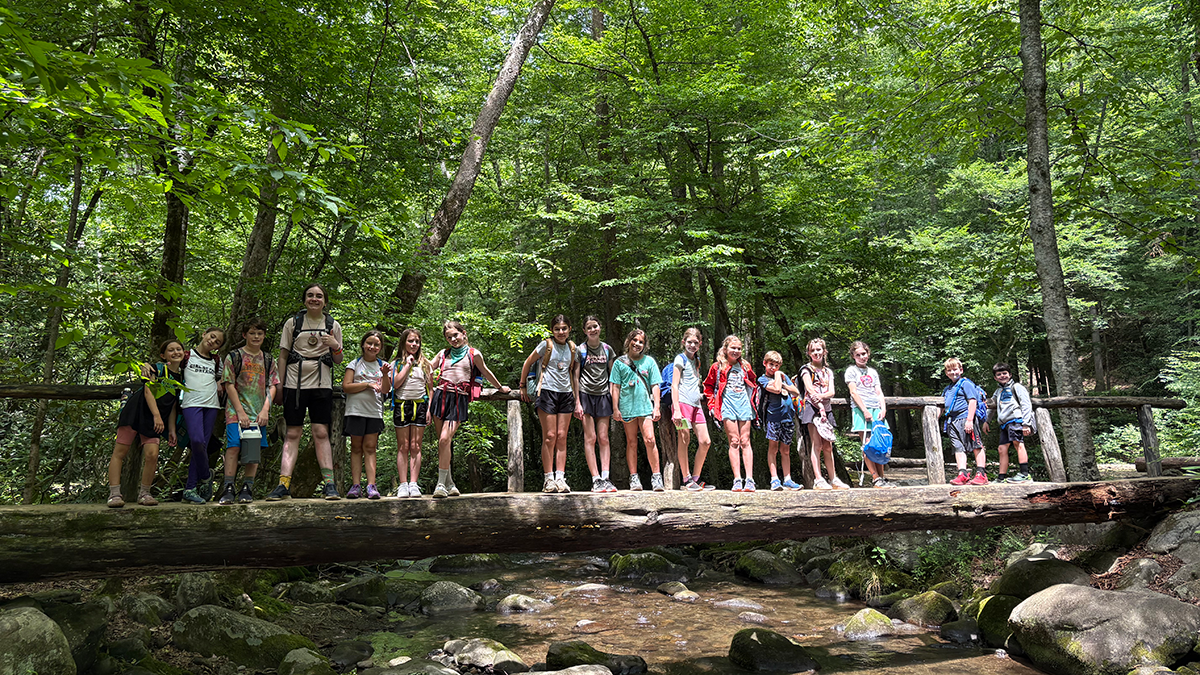
During Virtual Naturalist Week 2026, Tremont staff shared short guided activities designed to help people connect with nature wherever they are – in a backyard, neighborhood, schoolyard, park, or any outdoor space nearby.
These three activities are simple enough to try on your own and easy to adapt for kids, families, classrooms, or anyone who wants to slow down and notice more.
Look for Insects
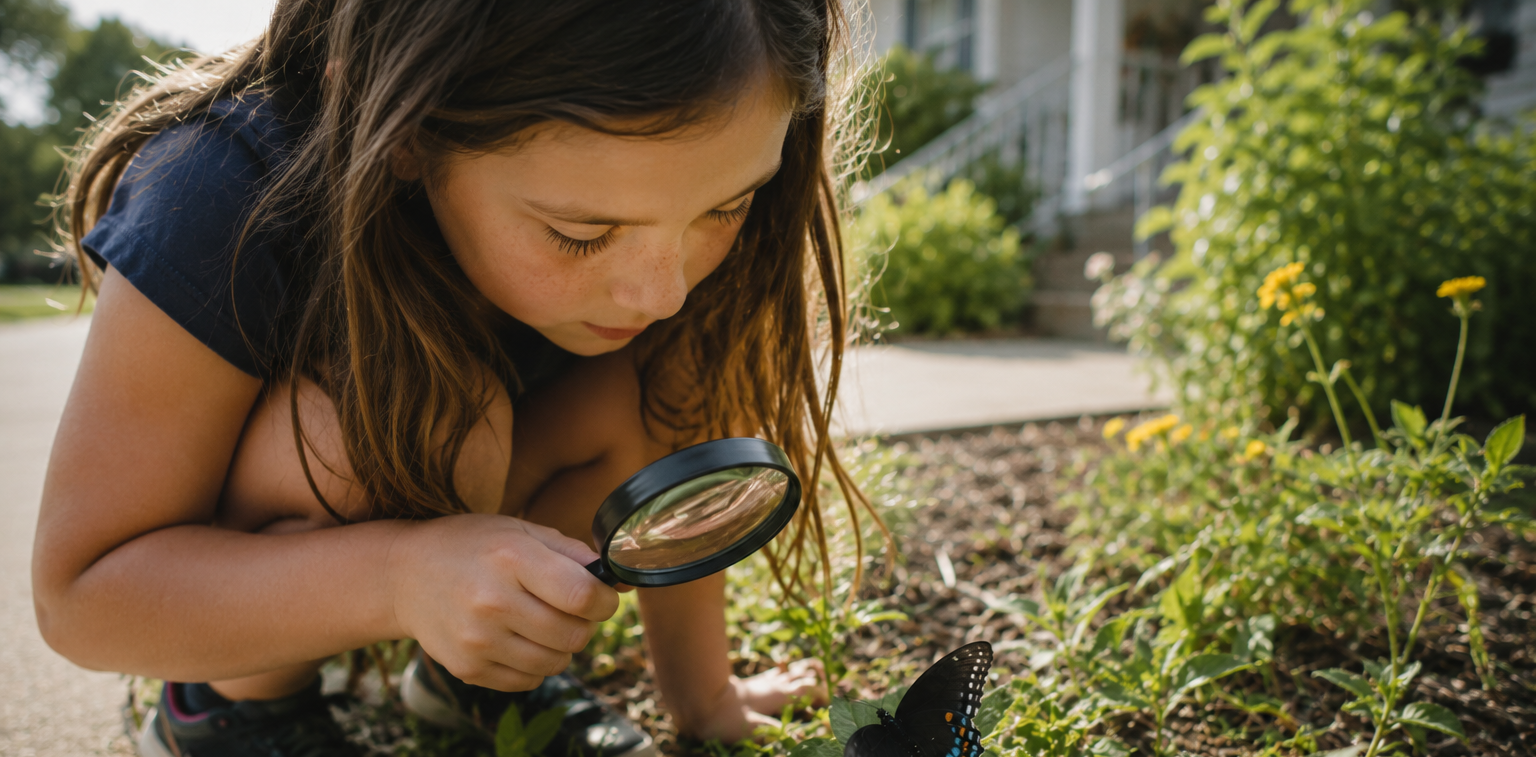
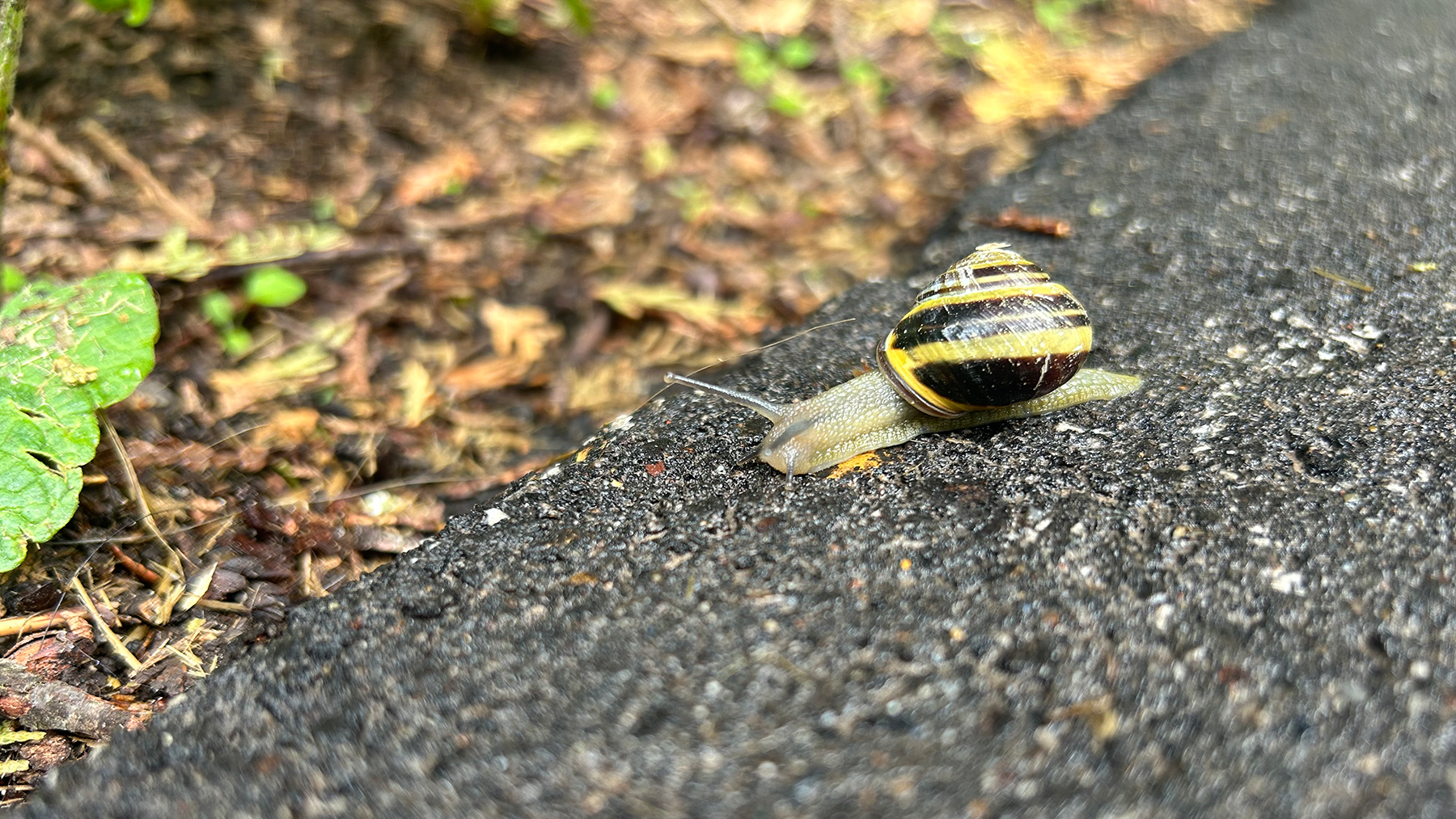
Bugs are everywhere once you know how to look. In this video, Tremont staff share a few simple tips for finding insects and other small creatures while being careful not to harm them or disturb their habitat.
Try it yourself:
- Look under leaves, especially when sunlight shines through from the other side. You may spot shadows, shapes, or tiny creatures hiding underneath.
- Check leaves that look chewed, folded, rolled, or webbed. These little clues can point you toward caterpillars, spiders, or other insects.
- If you move a rock, log, or leaf, turn it away from your body and gently put it back exactly where you found it. Small animals depend on those sheltered spaces.
- We don’t recommend flipping rocks near rivers or streams – many aquatic species are highly senstive to changes in their environments, so we don’t want to disturb them!
- You can also look near flowers and other bright plants, where pollinators like bees, butterflies, and flies are often busy at work.
Write a Nature Haiku
Nature writing doesn’t have to be long or complicated. Haiku invites us to capture a single moment in the natural world with just a few carefully chosen words.
In this video, Logan shares how haiku can become part of a naturalist practice – not because the final poem has to be perfect, but because the process helps us slow down, notice seasonal details, and pay attention to what is happening around us.
Try it yourself:
- Go outside and spend a few minutes noticing what you can see, hear, smell, and feel.
- Choose two or three simple images from the moment: a sound, a movement, a color, a texture, or a seasonal clue.
- Put those images together in three short lines. You can try the familiar 5-7-5 syllable pattern, but don’t worry too much about getting it exactly right. The goal is to notice, not to write the perfect poem.
Meet a Tree
Every tree has its own shape, texture, pattern, and personality. This activity turns close observation into a playful challenge.
To try “Meet a Tree,” you’ll need two people: one person willing to wear a blindfold and one careful guide. The guide leads the blindfolded person to a tree, where they use touch to get to know its bark, roots, moss, branches, size, and other details. Then the guide leads them back to the starting point, removes the blindfold, and the explorer tries to find “their” tree again.
Try it yourself:
- Choose a safe area with several trees and clear ground for walking.
- The guide should move slowly, communicate clearly, and help the blindfolded person avoid tripping hazards, poison ivy, or sharp branches.
- Take time to notice details by touch: rough or smooth bark, moss at the base, roots, knots, branches, scars, or unusual shapes.
- After the blindfold comes off, look closely and see if you can find the tree again using the details you remember.
Keep Looking Closely
Each of these activities is different, but they all begin the same way: by slowing down and paying attention.
Whether you are searching for insects, writing a few lines of haiku, or getting to know a single tree, you are practicing the same skills naturalists use every day – observation, curiosity, careful questioning, and respect for the living world.
Try one activity or try all three. Then come back to them again in a different season, a different place, or with a different person. You might be surprised by how much there is to notice when you give yourself time to look.
Cover image by Katilyn Reul, taken during Virtual Naturalist Week 2026.